
How Massage Therapy Reduces Stress and Anxiety
Stress and anxiety have become common challenges in our fast-paced lives. With the constant demands of work, family, and social obligations, many people find themselves overwhelmed. Fortunately, there are effective ways to manage these feelings, and one of the most beneficial methods is massage therapy. This blog post explores how massage therapy can significantly reduce stress and anxiety, providing you with practical insights and tips to incorporate it into your life.

Understanding Stress and Anxiety
Before diving into the benefits of massage therapy, it's essential to understand what stress and anxiety are.
What is Stress?
Stress is the body's response to any demand or challenge. It can be triggered by various factors, including work pressure, financial issues, or personal relationships. While some stress can be beneficial, chronic stress can lead to serious health problems, including heart disease, obesity, and depression.
What is Anxiety?
Anxiety, on the other hand, is a feeling of worry, nervousness, or fear about an impending event or situation. It can manifest in various forms, such as generalized anxiety disorder, panic disorder, or social anxiety. Like stress, anxiety can have detrimental effects on both mental and physical health if left unaddressed.
The Connection Between Stress, Anxiety, and the Body
The body reacts to stress and anxiety through the "fight or flight" response, releasing hormones like adrenaline and cortisol. While this response can be helpful in short bursts, prolonged exposure to these hormones can lead to muscle tension, headaches, and other physical ailments. This is where massage therapy comes into play.
How Massage Therapy Works
Massage therapy involves manipulating the body's soft tissues to promote relaxation and healing. It can help alleviate muscle tension, improve circulation, and enhance overall well-being. Here’s how it specifically helps reduce stress and anxiety:
1. Promotes Relaxation
Massage therapy activates the parasympathetic nervous system, which is responsible for relaxation. This activation helps lower heart rate and blood pressure, creating a sense of calm.
2. Reduces Muscle Tension
Chronic stress often leads to muscle tension, particularly in areas like the neck, shoulders, and back. Massage therapy targets these areas, relieving tension and promoting physical comfort.
3. Enhances Mood
Massage therapy can stimulate the release of endorphins, the body's natural mood elevators. This release can lead to improved mood and a reduction in feelings of anxiety.
4. Improves Sleep Quality
Stress and anxiety can disrupt sleep patterns. Regular massage therapy can help improve sleep quality by promoting relaxation and reducing the physical symptoms of stress.
5. Increases Body Awareness
Massage therapy encourages individuals to connect with their bodies, promoting mindfulness. This increased awareness can help individuals recognize stress triggers and manage their responses more effectively.
Types of Massage Therapy
There are various types of massage therapy, each with its unique benefits. Here are a few popular options:
Swedish Massage
This is one of the most common types of massage, focusing on relaxation through long, flowing strokes. It is excellent for reducing stress and promoting overall relaxation.
Deep Tissue Massage
Deep tissue massage targets deeper layers of muscle and connective tissue. It is particularly effective for chronic pain and muscle tension, making it a great option for those with high stress levels.
Aromatherapy Massage
Incorporating essential oils, aromatherapy massage enhances relaxation and can help alleviate anxiety. The scents used can have calming effects, further enhancing the massage experience.
Hot Stone Massage
This type of massage uses heated stones to relax muscles and improve circulation. The warmth from the stones can be particularly soothing for those dealing with stress and anxiety.
Practical Tips for Incorporating Massage Therapy into Your Routine
To reap the benefits of massage therapy, consider the following tips:
1. Schedule Regular Sessions
Aim for at least one massage session per month. Regular appointments can help maintain the benefits and keep stress levels in check.
2. Communicate with Your Therapist
Be open about your stress and anxiety levels with your massage therapist. They can tailor the session to meet your specific needs.
3. Create a Relaxing Environment
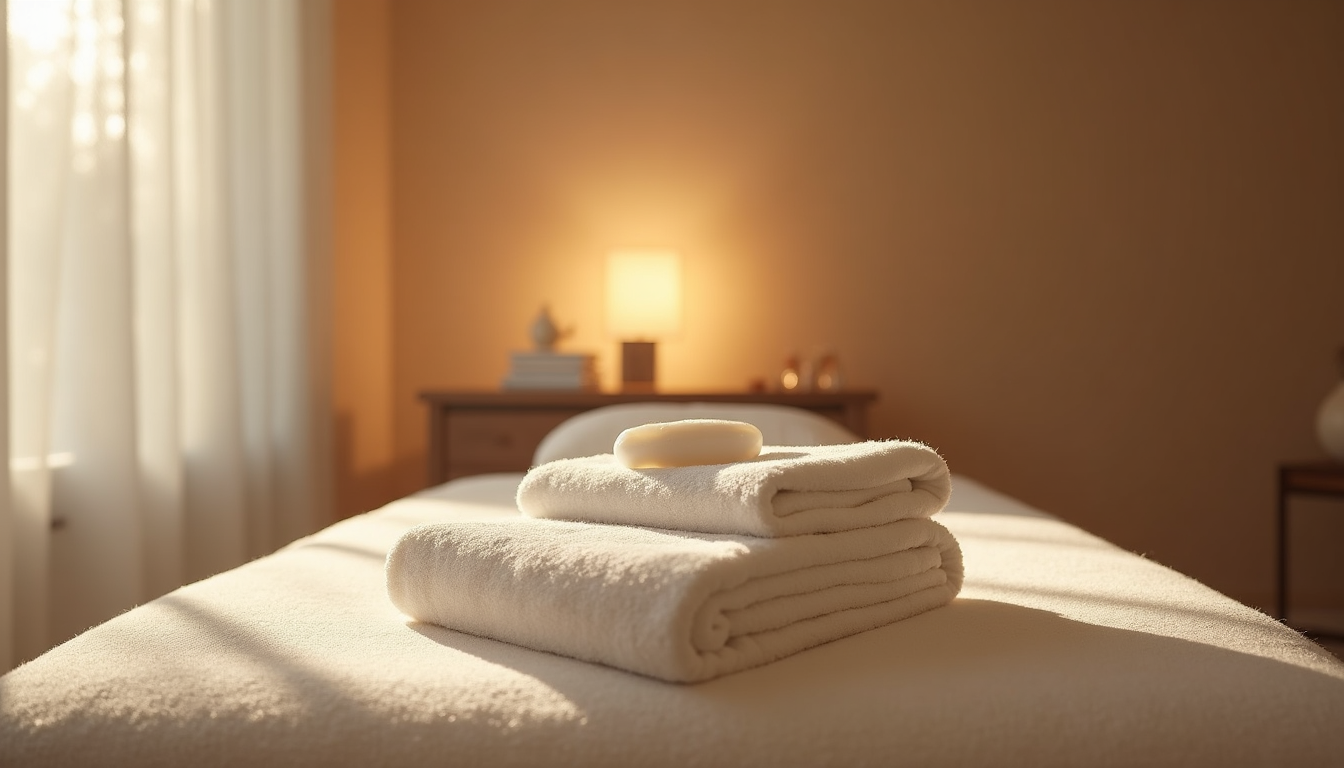
If you opt for at-home massages, create a calming atmosphere. Use soft lighting, soothing music, and comfortable temperatures to enhance relaxation.
4. Combine with Other Stress-Relief Techniques
Consider combining massage therapy with other stress-relief techniques, such as yoga, meditation, or deep breathing exercises. This holistic approach can amplify the benefits.
5. Listen to Your Body
Pay attention to how your body responds to massage therapy. If you feel discomfort or pain, communicate this with your therapist to adjust the pressure or technique.
The Science Behind Massage Therapy
Research supports the effectiveness of massage therapy in reducing stress and anxiety. A study published in the Journal of Clinical Psychiatry found that massage therapy significantly reduced anxiety levels in participants. Another study in the International Journal of Neuroscience showed that massage therapy can lower cortisol levels, a hormone associated with stress.
Conclusion
Massage therapy is a powerful tool for managing stress and anxiety. By promoting relaxation, reducing muscle tension, and enhancing mood, it can significantly improve your overall well-being. If you’re feeling overwhelmed, consider incorporating massage therapy into your routine. Remember, taking care of your mental health is just as important as caring for your physical health.
Take the first step towards a more relaxed and balanced life by booking your massage therapy session today. Your body and mind will thank you!
Comments